The Valencia region — Valencia, Alicante, and Castellón — is one of the most active prefab home markets in Spain. The Mediterranean climate, the availability of reasonably priced developable land inland, and the presence of InHaus (the country's largest concrete prefab manufacturer, headquartered in Valencia) make this region an ideal setting for industrialised construction.
If you're weighing up how much a prefab home costs in the area, this guide brings together current prices, the most relevant manufacturers, and region-specific administrative requirements for the Valencia region. Building elsewhere? See our guides to prefab homes in Germany and France.
Featured models delivered to Valencia
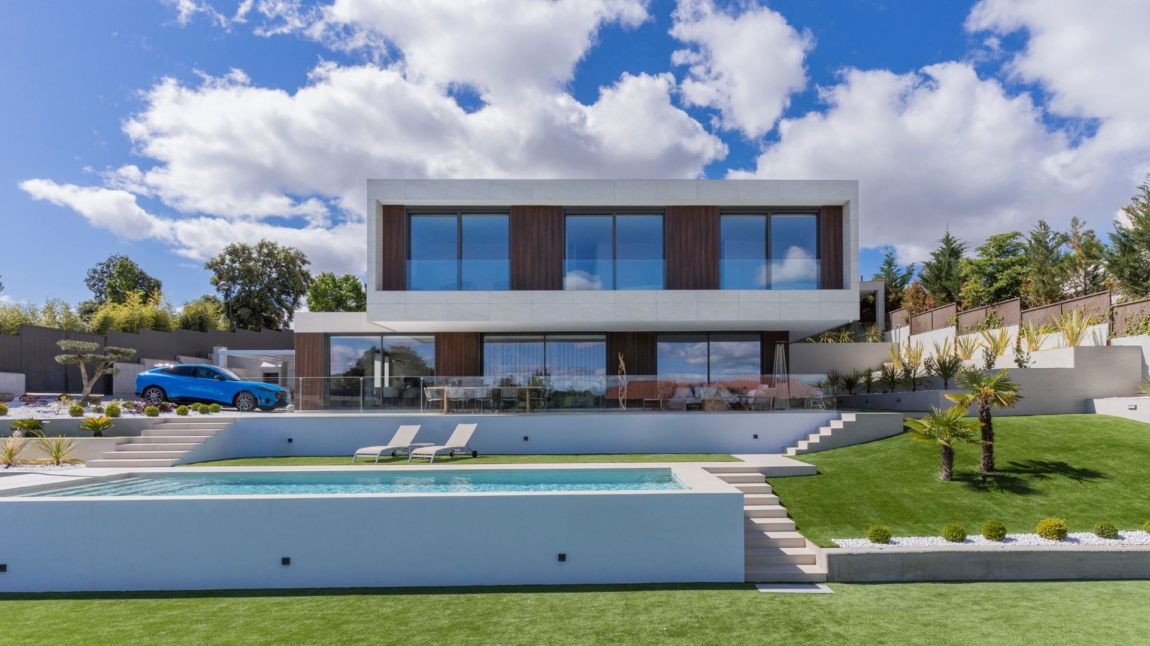
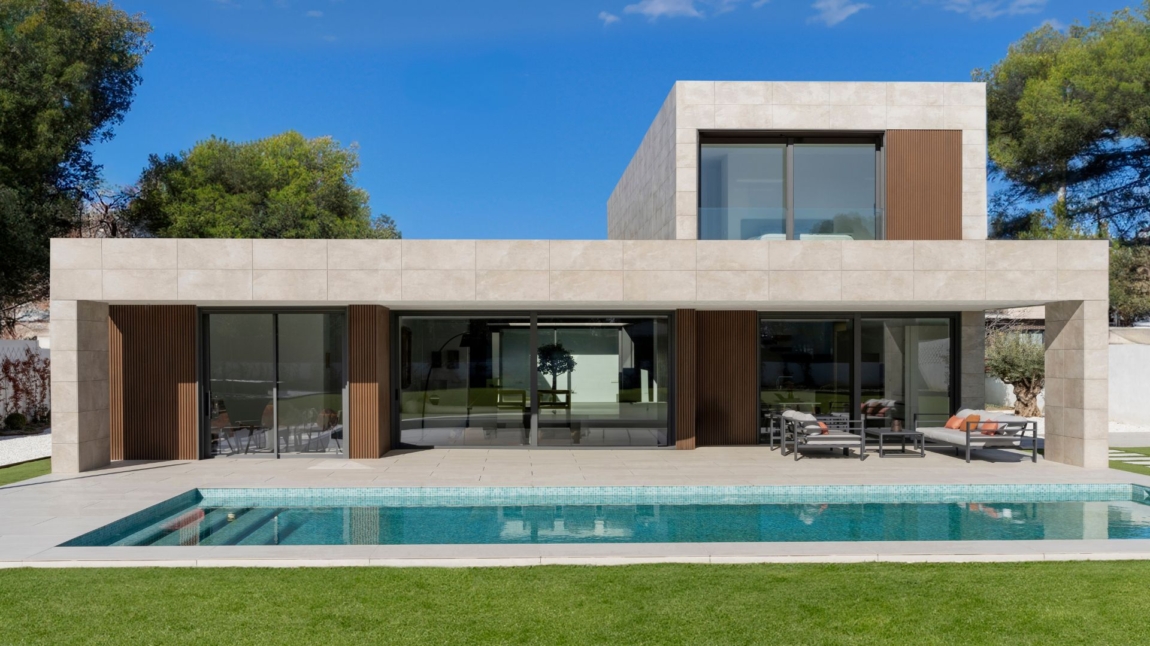
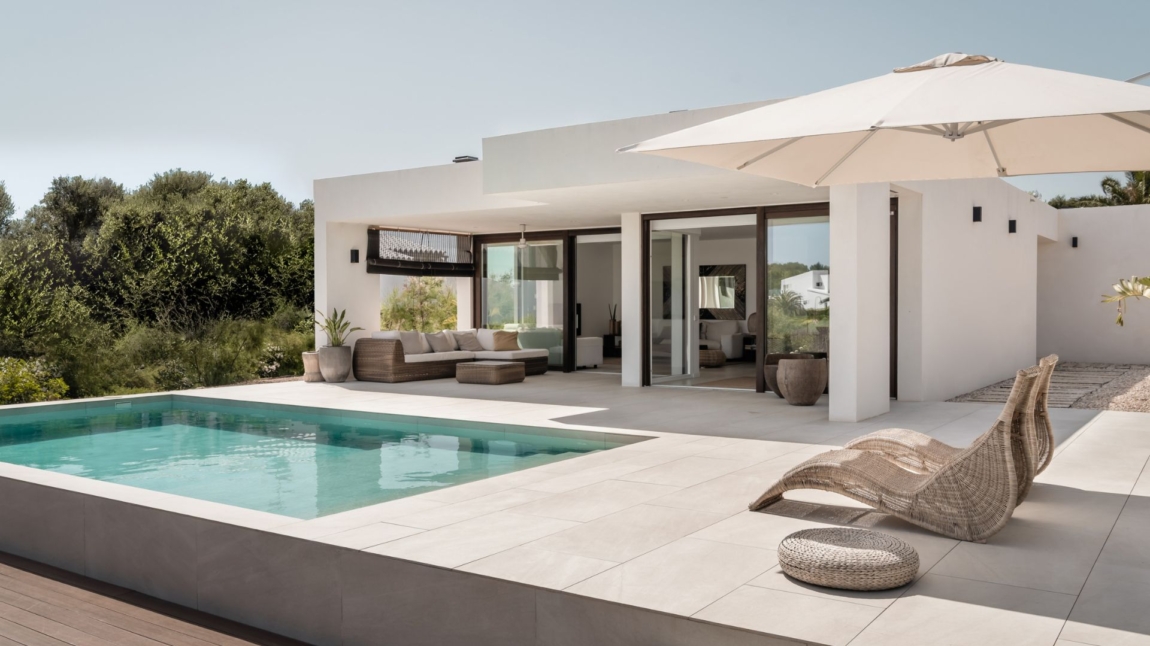
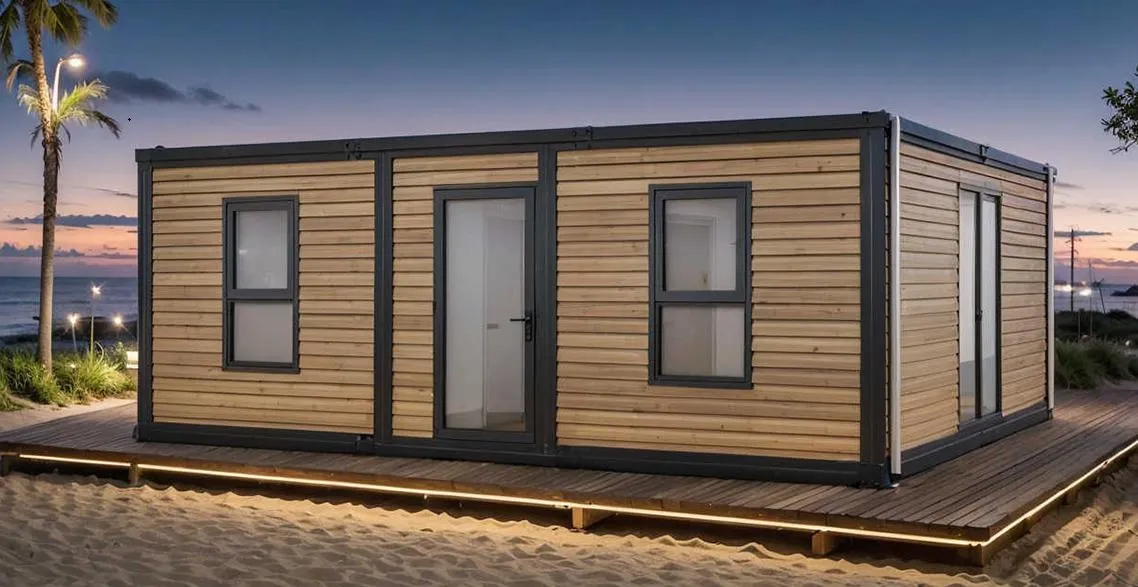
See all InHaus models → · See all PrefabX models →
Prefab home prices in the Valencia region (2025)
Prices in the Valencia region are in line with the national average, with the added advantage that InHaus (a local manufacturer) offers lower logistics costs within the region. Here are the ranges by segment:
| Segment | Price per m² (turnkey) | 100 m² home | Delivery timeline |
|---|---|---|---|
| Economy | €800–€1,200/m² | €80,000–€120,000 | 2–4 months |
| Standard | €1,200–€1,900/m² | €120,000–€190,000 | 4–6 months |
| Premium | €1,900–€3,000/m² | €190,000–€300,000 | 5–8 months |
| Ultra-premium | €3,000+/m² | €300,000+ | 6–12 months |
Prices include fabrication, transport, and installation (turnkey). They exclude land, foundation, site preparation, technical fees, and municipal taxes, which can add 15–25% on top.
InHaus, Spain's largest concrete prefab manufacturer, has its factory in Valencia. This reduces transport costs compared to manufacturers based in the north or centre of the country, and enables tighter delivery timelines within the region.
Why the Valencia region suits prefab construction
Several factors make the Valencia region especially well-suited to prefab construction:
- Mediterranean climate (CTE zone B3–C3) — Concrete prefab homes are perfectly adapted to this climate. Concrete's thermal mass smooths out summer heat peaks and keeps interior temperatures stable without aggressive air conditioning.
- Land availability — Inland Valencia, Alicante, and Castellón offer developable plots at significantly lower prices than the coast. Municipalities such as Requena, Utiel, or Vall d'Uixó allow a single-family home with land for under €250,000 total.
- Local industrial presence — InHaus's presence in Valencia has built an ecosystem of suppliers, project managers, and architects experienced in industrialised construction.
- Tourism and second-home demand — The Alicante coast and La Marina district have sustained demand for high-quality, low-maintenance housing — two defining traits of prefab construction.
Manufacturers serving the Valencia region
- InHaus — Headquartered in Valencia. Over 111 concrete prefab models from €120,000. The country's largest catalogue for this system. Nationwide delivery and assembly, with a clear logistics edge within the region.
- ModularHome España — Operates from Valencia with hybrid systems. Entry price from €125,000. A strong option for coastal projects around Alicante.
- PrefabX — Also based in Valencia. Hybrid systems and more bespoke solutions. Price from €125,000.
- Atlántida Homes — Headquartered in Madrid but regularly builds in the Valencia region, especially along the Alicante coast. Premium segment from €150,000.
- Grupo Eurocasa — Delivers nationwide from its factory in Burgos. Good standard-segment option (from €80,000) with delivery to Valencia in 4 months.
Browse the full CasitaLand directory with filters by system and price to find the right manufacturer for your project in Valencia.
Compare manufacturers serving the Valencia region
Directory with real prices, construction systems, and delivery timelines.
See all models →Areas of highest demand in the Valencia region
Demand for prefab homes varies by province:
- Inland Valencia (Requena, Utiel, Chiva, Llíria) — High demand for first homes. Accessible urban land. Buyers who work in Valencia city but want a single-family home 30–50 km out.
- Northern Alicante coast (Denia, Jávea, Altea, Calpe) — Strong demand for premium second homes. International market (German, Dutch, British buyers). Concrete and CLT systems are the most requested.
- Inland Alicante (Villena, Elda, Petrer) — First homes and local development. Standard segment dominant.
- Inland Castellón (Castelló de la Plana, Vinaròs) — Lower but growing demand. Very accessible land. Buyers typically look for budget models in the €80,000–€130,000 range.
Buying as an international buyer
The Valencia region has one of Spain's most established international property markets, particularly along the Alicante coast, and prefab manufacturers here are accustomed to working with non-resident buyers.
- NIE requirement — Non-Spanish buyers need a Número de Identificación de Extranjero (foreigner ID number) before signing any land purchase or construction contract. This can take several weeks to obtain, so apply early in the process.
- Remote project management — InHaus, Atlántida Homes, and several regional manufacturers offer remote design approval and progress reporting (photos, video calls) for buyers who cannot visit the site regularly during construction.
- Currency and payment staging — Non-euro buyers should factor exchange rate risk into staged payments, since a self-build contract typically spans 6–12 months between signature and final payment.
- Non-resident mortgage terms — Non-resident buyers typically face lower maximum loan-to-value ratios (60–70% rather than 80%) and slightly higher interest rates than Spanish tax residents.
- Language support — Given the volume of German, Dutch, and British buyers along the northern Alicante coast, several manufacturers and law firms in the region offer contracts and technical documentation in English or German alongside Spanish.
Climate and energy performance in the Valencia region
The Valencia region spans CTE climate zones B3 and C3 — warm, dry summers and mild winters, with more temperature variation inland than on the coast. This has a direct effect on which construction choices perform best:
- Cooling load dominates over heating load — Unlike northern Spain or central Europe, a well-designed home in this region spends far more energy budget on summer cooling than winter heating, which favours concrete's thermal mass and good solar shading over maximising insulation alone.
- South-facing overhangs and shading — Manufacturers experienced in the region, like InHaus, typically design roof overhangs and terrace coverage specifically to block high summer sun while admitting lower-angle winter sun.
- A+ rating is standard, not exceptional — Most concrete and hybrid models sold in the region already meet A+ under CTE DB-HE without significant cost premium, given the mild climate baseline.
- Air-source heat pumps — The dominant HVAC choice in the region, since the mild climate keeps both heating and cooling loads modest compared to continental Spain.
If your plot is inland (Requena, Utiel) rather than coastal, expect a noticeably wider temperature swing between summer and winter than on the coast. Ask your manufacturer whether their standard insulation package is calibrated for coastal or inland conditions — the difference affects both comfort and energy bills.
Permits for building a prefab home in Valencia
The administrative process in the Valencia region follows the national framework with regional specifics:
- Land classification — Check the municipality's PGOU (urban plan). In the Valencia region, the Valencian Land Use Law (LUV) governs land use. Building is only permitted on urban or developable land.
- Architectural project — Drafted by a registered architect and approved by COACV (the Valencia region's college of architects).
- Major works permit — Filed at the town hall. Average timeline: 2–4 months in smaller municipalities, 4–6 months in provincial capitals.
- Site and execution supervision — Mandatory. Handled by the manufacturer's technical team or independent technicians hired by the buyer.
- Completion certificate and building logbook — Required for the first-occupancy licence.
- First-occupancy licence — In Valencia this is the "licencia de primera ocupación" (not a habitability certificate). Issued by the town hall and required to connect utilities and register your address.
The Valencia region has very restrictive rules on building on non-developable land. Don't build without verifying the land classification in the PGOU. Misdeclared use or classification errors can lead to demolition orders.
Checklist before buying a plot in the Valencia region
Beyond the standard land classification check, a few region-specific items are worth verifying before committing to a plot:
- Flood risk (zonas inundables) — Parts of coastal and low-lying Valencia and Castellón fall within flood risk zones (PATRICOVA mapping). Confirm your plot's flood zone status with the town hall before purchase, as it can restrict or add cost to construction.
- Water and electricity connection distance — Rural and semi-rural plots inland may require a significant utility connection run, which can add €5,000–€20,000 depending on distance from the nearest connection point.
- Access road width — Confirm the access road can accommodate the transport vehicles and crane needed for delivery, particularly for large concrete panel systems; narrow rural tracks can require a costly access upgrade.
- Slope and soil type — Coastal plains are generally straightforward, but plots in the pre-coastal mountain ranges (Marina Alta, interior Castellón) can require additional foundation engineering for sloped or rocky terrain.
Financing: self-build mortgage in Valencia
A self-build mortgage ("hipoteca autopromotor") is the standard way to finance a prefab home in the Valencia region. Banks with the most experience in this type of operation in the region include CaixaBank (strong local presence), Bankinter, and Cajamar. Key points:
- Maximum financing — Up to 80% of the appraised value (land + construction).
- Minimum own funds — 20–30% of total budget, including land.
- Staged disbursements — The bank releases funds in tranches as construction progresses. A prefab home typically has 2–3 disbursement stages.
- Bridge mortgage — If you already own a home, some banks offer bridge mortgages that finance the self-build while you sell your current property.
For more on financing, see our complete guide to prefab home mortgages in Spain.
Frequently asked questions
A 100 m² prefab home in the Valencia region costs between €100,000 and €200,000 (turnkey, excluding land). Standard concrete or steel models fall in the €120,000–€160,000 range; premium architect-designed models can exceed €250,000.
InHaus is headquartered in Valencia and is the region's most significant manufacturer, with over 111 concrete models. ModularHome España and PrefabX also operate from Valencia. Other national manufacturers serve the region from factories elsewhere in Spain.
Yes. In the Valencia region this is called the "licencia de primera ocupación." It's required to connect utilities, register your address, and register the property. The developer files it once construction and technical documentation are complete.
Yes. Concrete prefab homes have high thermal mass that smooths out temperature swings. Well-insulated systems reach an A+ rating and keep interiors cool in summer. Concrete comfortably meets the CTE code in the Mediterranean climate zone (B3–C3).
Generally no. The Valencia region has strict rules on non-developable land. Homes on rural land are only permitted under very specific conditions. Always verify the land classification in the PGOU before buying.
Find your prefab home in the Valencia region
Full directory with real prices, systems, and up-to-date delivery timelines.
Explore the directory →